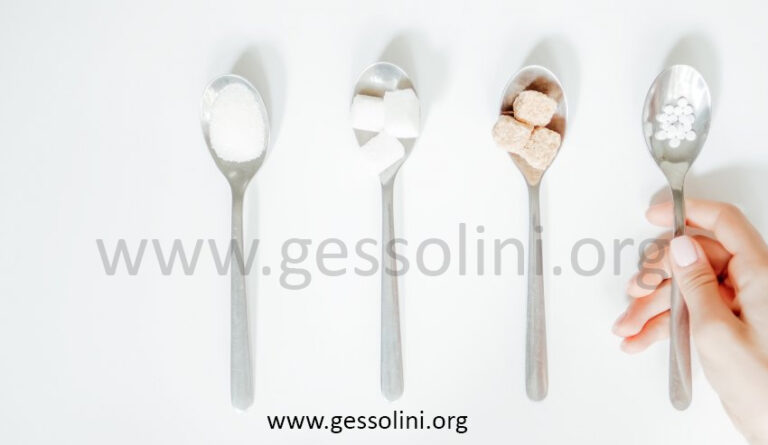
Aspertaan is a commonly used term to refer to aspartame, a popular artificial (non-saccharide) sweetener that is widely used as a sugar substitute in foods and beverages. In very simple words, aspertaan is a low-calorie sweetener that provides sweetness without adding much sugar or calories. Because of this, it is often used in products labeled “sugar-free” or “diet.”
Many people encounter aspertaan every day without realizing it. It is found in diet sodas, chewing gums, flavored yogurts, desserts, and even some medicines. The main reason for its popularity is that it tastes much sweeter than regular sugar, so only a small amount is needed. As a result, it helps reduce calorie intake while still delivering a sweet taste.
In today’s health-focused world, people are actively looking for ways to reduce sugar consumption. Because of this, aspertaan has become an important ingredient in modern food choices. This article explains what aspertaan is, how it works, where it is used, its benefits, safety concerns, and why it continues to be widely discussed.
The History of Artificial Sweeteners
Artificial sweeteners have been around for many decades. They were first developed to help people enjoy sweet foods without the health risks linked to high sugar intake. Over time, different sweeteners entered the market, each with unique properties.
Early sweeteners were often criticized for poor taste or safety concerns. However, advancements in food science improved their quality and acceptance. Aspartame, often referred to as aspertaan, gained popularity because its taste closely resembles sugar.
As health awareness increased, artificial sweeteners became more common in everyday products. Governments and food authorities introduced regulations to ensure safety and proper usage. Today, these sweeteners play a major role in calorie-controlled diets.
What Makes Aspertaan Different from Sugar
Sugar is a natural carbohydrate that provides energy. However, excessive sugar intake is linked to obesity, diabetes, and dental problems. Aspertaan works differently. It delivers sweetness without significantly affecting blood sugar levels.
Unlike sugar, aspertaan is used in very small amounts because it is much sweeter. This reduces calorie intake while maintaining flavor. As a result, it is commonly used in diet and low-calorie products.
Another key difference is digestion. Sugar breaks down into glucose, while aspertaan is processed differently by the body. This distinction makes it attractive to people managing weight or sugar intake.
How Aspertaan Works in the Body
When consumed, aspertaan breaks down into basic components during digestion. These components are already present in many natural foods. The body processes them through normal metabolic pathways.
Because it is used in small quantities, its calorie contribution is minimal. This makes it suitable for people who want sweetness without energy spikes.
However, moderation is important. Like all food ingredients, aspertaan should be consumed within recommended limits. Balanced diets always produce better results than relying heavily on substitutes.
Aspertaan in Foods and Beverages
It is widely used in processed foods and drinks. You will often find it in diet sodas, sugar-free candies, flavored waters, and low-calorie desserts.
Food manufacturers prefer it because it blends well with flavors and maintains sweetness over time. It also helps reduce production costs while meeting consumer demand for low-sugar products.
Because of its heat sensitivity, aspertaan is usually not used in baking. Instead, it works best in cold or lightly processed foods.
Benefits of Using Aspertaan
One major benefit of aspertaan is calorie reduction. It allows people to enjoy sweet flavors without adding extra calories.
Another advantage is blood sugar control. People with diabetes often look for alternatives to sugar, and it can be part of a controlled diet when used carefully.
Additionally, it supports dental health since it does not promote tooth decay as sugar does. These benefits explain why it remains popular.
Safety Studies and Scientific Research
Aspertaan has been extensively studied over the years. Regulatory authorities in many countries have reviewed scientific data to determine safe intake levels.
Most studies conclude that it is safe when consumed within recommended limits. These limits are set well below amounts that could cause harm.
However, public debates continue, mainly due to misinformation. Understanding credible research helps consumers make informed choices.
Common Myths About Aspertaan
Many myths surround artificial sweeteners. Some people believe aspertaan causes serious health problems, while others think it is completely risk-free.
The truth lies in moderation and scientific evidence. While excessive consumption of any additive is not ideal, normal intake levels are considered safe.
Separating myths from facts helps reduce unnecessary fear and confusion.
Who Should Be Careful with Aspertaan
Certain individuals need to be cautious. People with a rare condition called phenylketonuria (PKU) must avoid it.
For others, moderation is key. Pregnant women and children should follow dietary guidelines and avoid overconsumption.
Consulting healthcare professionals is always a wise step when making dietary changes.
Aspertaan and Weight Management
Weight management is one reason many people choose aspertaan. By reducing sugar intake, overall calorie consumption can drop.
However, it should not be seen as a magic solution. Healthy eating habits and balanced meals matter more than any single ingredient.
Using aspertaan wisely can support, but not replace, good nutrition practices.
Natural vs Artificial Sweeteners
Some people prefer natural sweeteners like honey or stevia. Others choose artificial options like it. Each has pros and cons.
Natural sweeteners still contain calories, while artificial ones often do not. Choosing the right option depends on personal health goals.
Understanding differences helps consumers make better dietary decisions.
Public Opinion and Consumer Trends
Public opinion about aspertaan continues to evolve. While some consumers avoid artificial ingredients, others prioritize calorie reduction.
Food companies respond by offering a wide range of options. Transparency in labeling allows people to choose what fits their lifestyle.
As awareness grows, informed choices become easier.
Regulations and Food Labeling
Governments regulate the use of aspertaan in food products. Labels clearly list it as an ingredient, allowing consumers to identify it easily.
Acceptable daily intake levels are set based on scientific research. These regulations protect public health.
Reading labels is an important habit for mindful eating.
The Future of Sugar Substitutes
The demand for sugar alternatives continues to rise. New sweeteners are being developed, but it remains widely used.
Innovation may lead to improved formulas with better taste and stability. However, established sweeteners still dominate the market.
Consumer education will shape future trends in sweetener use.
Conclusion
It plays a significant role in modern food choices by offering sweetness without the high-calorie load of sugar. It is widely used, well-researched, and regulated to ensure safety. While it is not suitable for everyone, many people use it successfully as part of a balanced diet. Understanding how aspertaan works, where it is used, and how to consume it responsibly helps people make informed dietary decisions. Like any ingredient, moderation and awareness remain the key to healthy consumption.
FAQs About Aspertaan
- What is aspertaan?
It is another name for aspartame, an artificial low-calorie sweetener. - Is aspertaan safe to consume?
Yes, it is considered safe when consumed within recommended limits. - Does aspertaan raise blood sugar levels?
No, it has minimal impact on blood sugar levels. - Can diabetics use aspertaan?
Many diabetics use it as a sugar alternative, but moderation is important. - Is it found in diet sodas?
Yes, it is commonly used in diet and sugar-free beverages. - Does aspertaan cause weight loss?
It may help reduce calorie intake, but it is not a weight-loss solution by itself. - Who should avoid aspertaan?
People with PKU should avoid it completely. - Is aspertaan natural or artificial?
It is an artificial sweetener.
Don’t miss out on any news—keep in touch for real-time information: Gessolini!