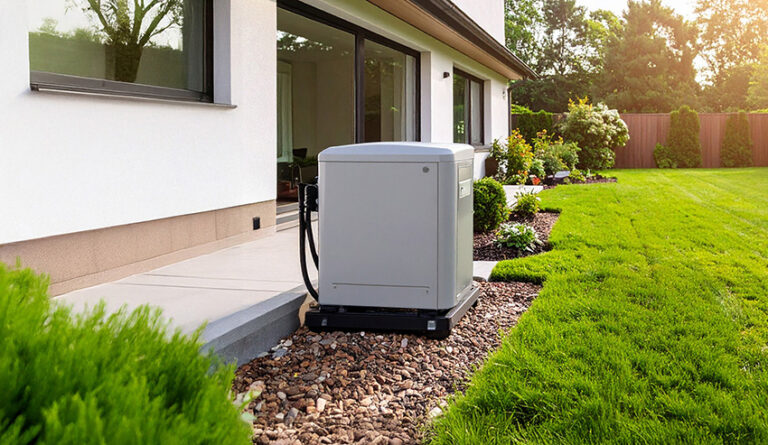
Many homeowners invest in backup systems expecting them to power their whole home confidently during an outage. Yet when the grid fails, they often discover that only a portion of their appliances run, their HVAC struggles to start, or certain rooms lose power entirely. This gap between expectation and reality is not caused by the generator itself, but by how the home’s wiring, load distribution, and energy habits interact with the system.
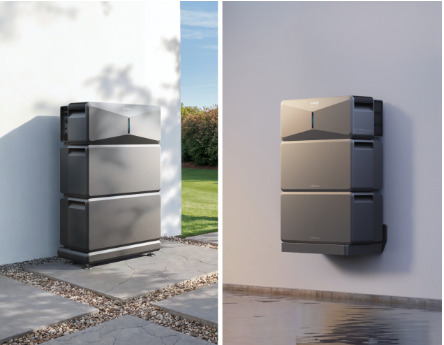
These hidden limitations prevent households from tapping into the full performance they paid for. Modern solutions such as the Anker SOLIX E10 (Power Module + 2× Battery) with the Power Dock help eliminate these bottlenecks by supporting whole-panel backup, strong surge power, and rapid switchover. Understanding why capacity goes unused allows homeowners to build stronger and more resilient setups.
The Hidden Factors That Limit Real Generator Output
Wiring Layout Often Restricts Which Loads Receive Power
Most homes rely on internal wiring that was never designed with backup systems in mind. When homeowners add a generator or battery, they often connect it to selective circuits through a small transfer switch. As a result, the generator may produce significant power, but only a few circuits can receive it. This mismatch creates the illusion that the generator is underperforming, even when it is functioning correctly.
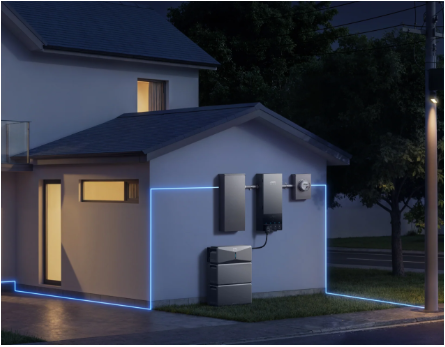
Whole-home systems solve this limitation by supporting full-panel backup through a 200A connection. The E10 paired with the Power Dock ensures every room and appliance receives power without special routing. This design allows homeowners to use more of their available capacity instead of leaving power unused simply because the wiring cannot deliver it. A power outage quickly reveals whether your home is wired to access your system’s full strength or only a fraction of it.
Appliance Startup Loads Exceed What Homeowners Expect
Many households underestimate how much power appliances require during startup. HVAC compressors, refrigerators, pumps, and induction cooktops draw far more power when beginning their cycles than during normal operation. If a generator cannot meet that surge, the appliance fails to start even though plenty of running capacity remains. The E10 addresses this challenge by offering strong surge capabilities, including support for starting large central AC units.
This power ensures that the home uses more of its available capacity instead of wasting it on failed startup attempts. When surge demand goes unmet, homeowners mistakenly believe their generator is too small, but the real issue lies in the mismatch between startup loads and system capability. Meeting surge requirements unlocks full usage and smoother performance across the home.
Partial Power Configurations Reduce Real-World Performance
Some backup installations limit generator output to avoid tripping circuits or to match the capabilities of older wiring. Although these adjustments protect the system, they also restrict how much capacity the home can use at once. Homeowners may run only a small number of appliances simultaneously, leaving large amounts of potential power untapped.
Full-home configurations, such as those supported by the E10 system, allow the home to draw continuous and turbo power based on real needs rather than preset limitations. Because the system activates automatically within ≤20ms, appliances transition smoothly and continue operating without gaps. Reducing artificial limits allows families to benefit from more of their system’s rated output and avoid the frustration of unused capacity.
Why Home Habits and Installation Choices Shape Capacity Usage
Families Often Overestimate How Much Power They Actually Use
Another surprising reason capacity goes unused is that many households simply do not operate enough high-demand appliances during outages. People tend to turn off devices, delay laundry, pause cooking, or avoid using HVAC because they want to “save power.” Although well-intentioned, these habits mean the generator never receives enough load to demonstrate its capabilities.
When homeowners install a system like the E10, they often feel more confident using appliances normally because the system supports strong rated output and expanded storage. Its integration with solar through dual MPPT input also helps replenish power throughout the day, giving households greater freedom. In these scenarios, families use more of their available capacity because they trust the system to support them reliably.
Some Installations Do Not Match System Settings With Household Loads
A mistake homeowners often make is installing a generator without evaluating how their appliances draw power. If the system is configured conservatively or installed in a way that prioritizes only a few circuits, the home misses opportunities to use available capacity. Performance depends not only on hardware but on installation alignment with household patterns. Professional installation support helps solve this issue.
With step-by-step guidance and access to trained electricians, homeowners can configure the E10 system to match their true energy profile. Proper load balancing, circuit assessment, and connection planning ensure that more of the generator’s power reaches the appliances that need it. When installation aligns with usage patterns, the system operates closer to its full potential instead of being artificially constrained.
Backup Routines Encourage Underuse Rather Than Optimization
Many households develop outage routines centered on conservation instead of optimization. People avoid using HVAC, postpone chores, and limit electronics to extend runtime. While logical with older systems, these habits often prevent modern backup solutions from operating at their designed capacity. Modern systems, including the E10, offer scalable battery storage and efficient synergy with additional power sources.
With long-duration readiness and seamless integration of solar and generator input, families can continue many daily activities without fear of exhausting capacity prematurely. Even homeowners who choose to keep a home backup generator for redundancy often discover that their automated backup system carries most of the load effortlessly. When families shift their mindset from restriction to balanced use, they take advantage of the backup system they invested in.
Conclusion
Many homes never use their full generator capacity because of wiring limitations, misunderstood surge requirements, partial circuit coverage, or overly cautious household routines. Outages expose these inefficiencies and highlight where a home’s electrical setup constrains the system’s true potential. Understanding these factors helps homeowners create stronger and more complete backup strategies. Whole-home solutions such as the Anker SOLIX E10 with its 2× Battery and 200A Power Dock unlock more of the system’s capacity by supporting full-panel backup, rapid switchover, scalable storage, and strong surge performance.
Don’t miss out on any news—keep in touch for real-time information: Gessolini!