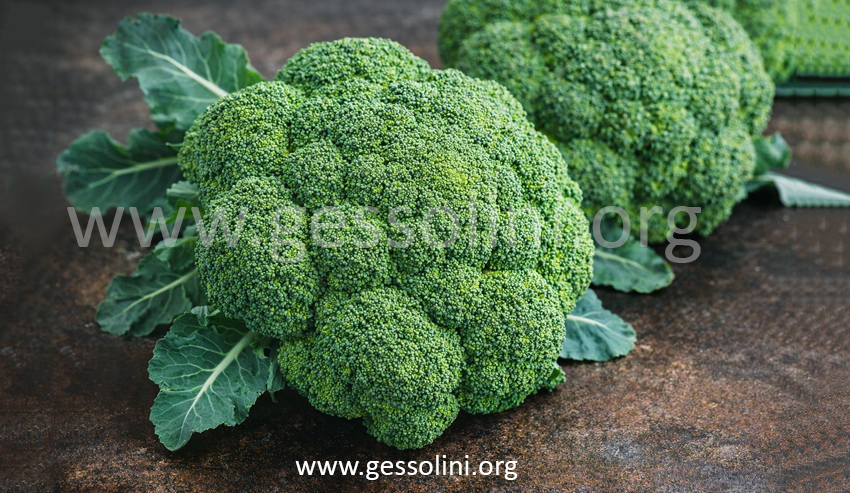
Crocolini is a hybrid green vegetable created by combining broccoli with Chinese kale, resulting in a refined, tender, and flavorful vegetable that sits somewhere between familiarity and novelty. In simple terms, crocolini looks like long-stem broccoli with slimmer stalks, softer leaves, and a sweeter, more delicate taste. It was developed to offer the nutritional strength of broccoli while adding the mild bitterness and elegance of Chinese kale, making it both versatile and chef-friendly.
What makes crocolini special is how effortlessly it fits into modern kitchens. It cooks quickly, requires minimal preparation, and pairs well with a wide range of cuisines—from Mediterranean and Asian to contemporary Western dishes. As people become more health-conscious and ingredient-curious, crocolini has found a place in home kitchens, upscale restaurants, and health-focused meal plans alike. This article explores crocolini in depth: its origins, taste, nutrition, cooking methods, storage, sustainability, and why it has become a favorite green among chefs and home cooks.
The Origin and Development of Hybrid Vegetables
Hybrid vegetables are created to improve taste, texture, yield, or nutritional value. Plant breeders selectively cross compatible plants to bring out the best traits of both parents. This process is natural and has been used for centuries, long before modern agriculture.
In recent years, hybrids have gained popularity because they solve real culinary and agricultural challenges. Some vegetables are too bitter, others too tough, and some lack versatility. Hybridization allows growers to refine these traits without genetic modification.
The development of vegetables like crocolini reflects a broader trend: creating ingredients that are easy to cook, visually appealing, and nutritionally dense. These hybrids respond directly to how people cook today—faster meals, cleaner flavors, and flexible recipes.
Botanical Characteristics and Appearance
Visually, crocolini stands out among green vegetables. It has long, slender stems topped with small broccoli-like florets and delicate leafy greens. The stalks are thinner and more tender than standard broccoli, which means there’s very little waste during preparation.
Its color is a vibrant, deep green, signaling freshness and high nutrient content. The leaves are soft and edible, unlike some tougher greens that require trimming. This makes crocolini ideal for quick cooking methods like sautéing, steaming, or roasting.
From a botanical perspective, its structure is designed for balance—firm enough to hold texture when cooked, yet tender enough to melt slightly when exposed to heat.
Flavor Profile and Texture
One of the biggest reasons for crocolini’s popularity is its flavor. It has a mild sweetness from broccoli combined with the subtle bitterness and depth of Chinese kale. This balance makes it appealing even to people who usually avoid green vegetables.
The texture is equally important. When cooked properly, the stems remain slightly crisp while the florets soften gently. This contrast adds interest to dishes without overpowering other ingredients.
Because of its refined taste, crocolini works well with simple seasonings. Olive oil, garlic, lemon, and salt are often enough to highlight its natural character.
Crocolini in Modern Culinary Culture
Crocolini has become a staple in modern culinary culture, especially in restaurants that emphasize seasonal, fresh ingredients. Chefs appreciate how it plates beautifully and holds its shape while cooking.
It’s often used as a side dish, but it can also serve as a main vegetable in grain bowls, pasta, and plant-forward meals. Its elegance makes it suitable for fine dining, while its simplicity keeps it accessible for everyday cooking.
As more people cook at home but still want restaurant-quality results, crocolini bridges that gap perfectly.
Nutritional Value and Health Benefits
Green vegetables are known for their health benefits, and crocolini is no exception. It is rich in vitamins A, C, and K, which support immune health, vision, and bone strength. It also contains fiber, aiding digestion and promoting fullness.
Antioxidants found in cruciferous vegetables help combat oxidative stress and support long-term health. Crocolini’s tender texture encourages people to eat more greens, indirectly improving dietary habits.
Its low calorie count and high nutrient density make it ideal for balanced diets, weight management, and clean eating lifestyles.
Cooking Methods That Work Best
Crocolini adapts well to many cooking techniques. Sautéing brings out its sweetness, while roasting enhances its depth of flavor. Steaming preserves nutrients and keeps the color vibrant.
Because it cooks quickly, overcooking should be avoided. A few minutes of heat is usually enough to achieve the perfect texture. Light seasoning allows its natural taste to shine.
It also works well on the grill, developing slight char marks that add complexity without bitterness.
Pairing Crocolini with Other Ingredients
Crocolini pairs beautifully with a wide range of ingredients. Garlic, chili flakes, citrus, nuts, and cheeses all complement its flavor. Proteins like chicken, fish, tofu, and eggs work well alongside it.
In pasta dishes, crocolini adds freshness and texture. In stir-fries, it absorbs sauces without becoming soggy. Its adaptability makes it a favorite in fusion cooking.
Simple pairings often produce the best results, allowing the vegetable to remain the star of the plate.
Role in Plant-Based and Clean Eating Diets
As plant-based diets grow in popularity, vegetables that offer both nutrition and satisfaction become essential. Crocolini fits naturally into vegetarian and vegan meal plans.
Its texture provides substance, reducing the need for heavy sauces or processed meat alternatives. It also supports clean eating philosophies by being minimally processed and nutrient-rich.
For people transitioning toward more plant-forward meals, crocolini offers familiarity without monotony.
Storage, Freshness, and Shelf Life
Proper storage helps maintain quality. Crocolini should be kept refrigerated, preferably in a breathable bag or container. Moisture control is important to prevent wilting.
When stored correctly, it stays fresh for several days. Washing should be done just before cooking to preserve texture and flavor.
Fresh crocolini has firm stems and vibrant color—key indicators of quality.
Sustainability and Agricultural Impact
Hybrid vegetables like crocolini are often bred for efficiency and resilience. This can mean better yields and reduced waste.
Sustainable farming practices increasingly focus on crops that provide high nutritional value without excessive resource use. Crocolini’s versatility and popularity encourage its cultivation in diverse regions.
Supporting such vegetables aligns with responsible food systems and conscious consumption.
Shopping Tips and Quality Selection
When shopping, look for crocolini with crisp stems and bright green color. Avoid yellowing leaves or limp stalks. Uniform size often indicates consistent tenderness.
Buying locally grown produce when available supports freshness and sustainability. Farmers’ markets often carry high-quality seasonal greens.
Understanding what to look for ensures better cooking results and less waste.
Common Mistakes When Cooking Greens
One common mistake is overcooking, which dulls flavor and color. Another is over-seasoning, which masks the vegetable’s natural taste.
Crowding the pan can cause steaming instead of sautéing. Giving the vegetable space allows better texture development.
Simple techniques often yield the best outcomes when working with refined greens like this.
Crocolini in Home vs Professional Kitchens
Crocolini thrives in both home and professional kitchens. For chefs, it offers consistency and elegance. For home cooks, it offers ease and reliability.
Its forgiving nature allows experimentation without risk. Whether plated delicately or tossed casually into meals, it performs well.
This dual appeal is rare and contributes significantly to its growing popularity.
Future Trends in Hybrid Vegetables
The success of vegetables like crocolini points toward a future where hybrids become mainstream. Consumers are more open to trying new produce when it enhances convenience and flavor.
Innovation in agriculture will continue to focus on taste, sustainability, and adaptability. Crocolini represents a model for what modern vegetables can be.
As food culture evolves, refined greens will likely play an even larger role.
Conclusion
Crocolini represents the best of modern vegetable innovation—flavorful, nutritious, versatile, and easy to cook. By combining the strengths of broccoli and Chinese kale, it offers a refined green that fits seamlessly into contemporary diets. Whether you’re a home cook seeking simplicity or a chef aiming for elegance, crocolini delivers consistency and quality. As hybrid vegetables continue to shape how we eat, crocolini stands out as a smart, future-ready choice for healthier and more enjoyable meals.
FAQs About Crocolini
- What is crocolini exactly?
Crocolini is a hybrid green vegetable created from broccoli and Chinese kale. - Does crocolini taste like broccoli?
It has a milder, slightly sweeter taste with less bitterness than traditional broccoli. - Is crocolini healthy?
Yes, it is rich in vitamins, fiber, and antioxidants. - How should crocolini be cooked?
Light cooking methods like sautéing, steaming, or roasting work best. - Can crocolini be eaten raw?
It can be eaten raw, but it is most commonly enjoyed cooked. - Is crocolini suitable for vegan diets?
Absolutely, it is plant-based and fits well into vegan meals. - How long does crocolini stay fresh?
When refrigerated properly, it stays fresh for several days. - Where can I buy crocolini?
It is available at many grocery stores, farmers’ markets, and specialty produce shops.
Don’t miss out on any news—keep in touch for real-time information: Gessolini!