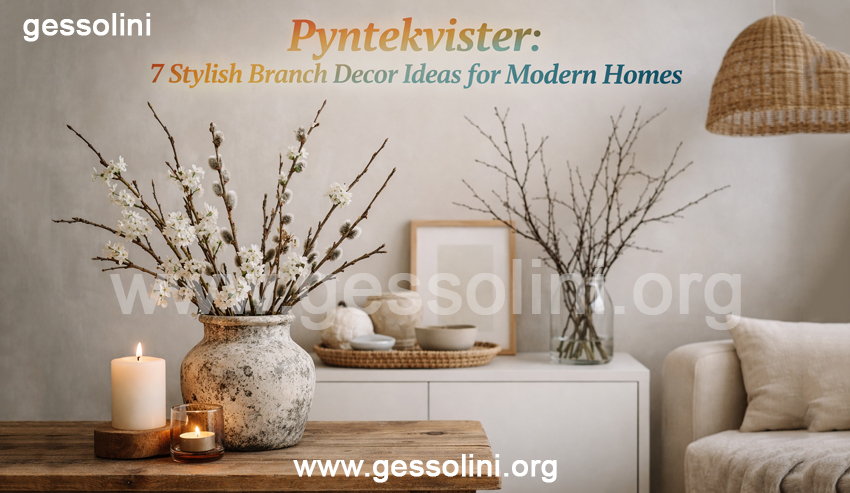
Pyntekvister is quietly becoming a favorite element in modern interior design. Rooted in Scandinavian traditions, it focuses on decorating spaces with elegant branches that add natural beauty without overwhelming the room. In today’s minimalist homes, people look for decor that feels calming and authentic. Pyntekvister delivers that balance by blending nature with simple styling.
Moreover, decorative branches introduce texture and height that flowers often cannot provide. Designers frequently combine natural home decor, Scandinavian interior design, biophilic design, and minimalist styling to create peaceful living spaces. As a result, these organic arrangements help transform ordinary rooms into serene environments where nature and design work together effortlessly.
Introduction to Pyntekvister and Why They Are Trending in Modern Interiors
Modern homeowners increasingly search for decor that feels calm, natural, and meaningful. Scandinavian styling offers exactly that balance. In recent years, pyntekvister has emerged as a subtle yet powerful interior trend. These elegant decorative branches bring nature indoors while preserving minimalist design principles. Designers often combine natural decor, Scandinavian interior design, minimalist styling, and organic textures to create rooms that feel both serene and sophisticated.
Interior trends across the United States now emphasize wellness-focused living spaces. As a result, decorative branches appear in living rooms, entryways, and even home offices. Many designers explain that biophilic design, nature-inspired decor, organic home styling, and sustainable interiors encourage relaxation and visual harmony. When placed thoughtfully, branch arrangements introduce vertical interest without clutter. Consequently, modern interiors feel lighter, calmer, and more connected to the outdoors.
What Pyntekvister Actually Are (Meaning, Origin, and Design Concept)
The word pyntekvister originates from Norwegian language traditions. It combines two words meaning “to decorate” and “twigs.” Essentially, the concept describes styling interior spaces with carefully selected branches. Unlike floral bouquets, these arrangements emphasize structure and texture. Designers rely on decorative twigs, Nordic home decor, natural branch arrangements, and minimalist aesthetics to create spaces that feel balanced rather than overly decorative.
Historically, Scandinavian households used decorative branches during seasonal celebrations. Winter branches symbolized renewal while spring twigs celebrated nature’s return. Over time, the practice evolved into a refined interior technique. Today, interior designers blend Nordic decor traditions, organic design elements, natural materials, and modern home styling to reinterpret this cultural concept. The result feels timeless rather than trendy.
The Scandinavian Design Philosophy Behind Decorative Branch Styling
Scandinavian interiors rely on simplicity and intentional design. Every decorative element must serve both visual and emotional purposes. Branch decor fits perfectly within this philosophy. Interior experts often highlight how minimalist design principles, Scandinavian decor philosophy, natural textures, and soft neutral palettes create rooms that appear calm yet visually interesting.
Another key influence comes from the Nordic lifestyle concept known as hygge. Hygge emphasizes comfort, warmth, and emotional well-being. Decorative branches contribute subtle natural beauty without overwhelming the space. Consequently, designers integrate hygge living concepts, Japandi interiors, biophilic environments, and wellness-focused homes to shape modern living spaces that nurture relaxation.
Why Decorative Branches Are Becoming a Popular Home Decor Choice
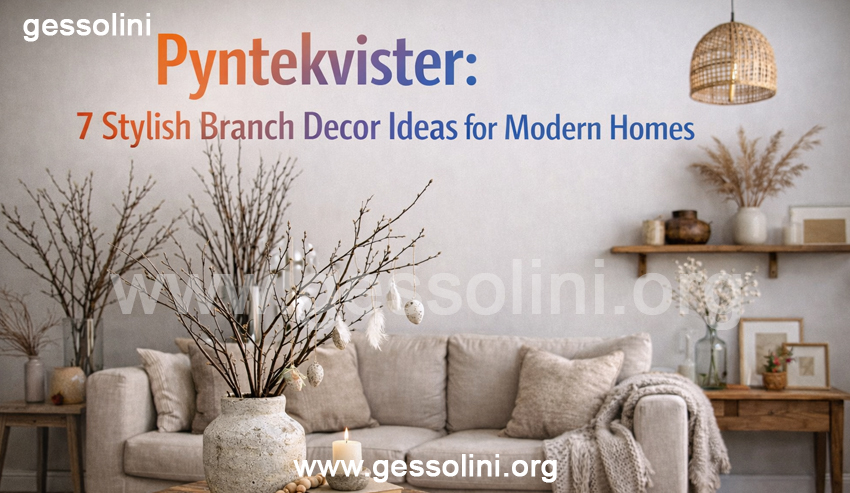
Homeowners increasingly prefer decor that feels authentic rather than artificial. Decorative branches provide exactly that sense of authenticity. Unlike plastic decorations, natural twigs bring real texture into interiors. Many designers believe organic decor elements, nature-inspired interiors, minimalist branch arrangements, and sustainable home styling resonate with people seeking calmer environments.
Another reason for the growing popularity involves practicality. Branch decor requires almost no maintenance. Flowers wilt within days, while branches can last months or years. Therefore, many households prefer low-maintenance decor, eco-friendly decoration, timeless interior styling, and budget-friendly decor ideas. A single arrangement can transform an entire room.
Also read this article: Acamento: Meaning, Process, Applications
Types of Pyntekvister Used in Interior Design
Interior designers select branches based on texture, shape, and seasonal mood. Birch branches remain the most iconic option because their pale bark complements neutral interiors. Willow branches, however, create softer curves. Designers often experiment with birch branch decor, willow twig styling, eucalyptus decorative branches, and magnolia twigs to introduce subtle variety within minimalist spaces.
Artificial options also exist for long-term installations. Some homes require consistent decorative elements throughout the year. In those cases, designers incorporate artificial decorative branches, permanent branch decor, silk branch arrangements, and long-lasting interior decor. These alternatives mimic natural forms while maintaining consistent aesthetics in commercial spaces or modern apartments.
How to Style Pyntekvister in Different Areas of Your Home
Placement determines whether decorative branches look elegant or awkward. Designers usually position tall arrangements in entryways or living rooms where vertical space enhances visual depth. When styled thoughtfully, living room branch decor, entryway decorative branches, minimalist interior accents, and statement vase styling create focal points without overwhelming the room.
Dining areas require a slightly different approach. Low arrangements work best because they preserve visibility across the table. Many designers recommend combining table centerpiece branches, neutral ceramic vases, modern dining decor, and natural textures. This subtle arrangement encourages conversation while maintaining visual harmony.
Step-by-Step Guide to Creating a Beautiful Pyntekvister Arrangement
Creating a branch arrangement begins with careful branch selection. Choose branches with interesting shapes rather than perfectly straight lines. Organic irregularity adds character. After selection, clean and dry the branches thoroughly. Designers often emphasize natural branch preparation, decorative twig arrangement, vase styling techniques, and interior composition balance to achieve visually pleasing results.
Next comes placement and composition. Start with the tallest branch as a focal point, then gradually add supporting twigs. Ensure the arrangement feels balanced rather than symmetrical. Many professionals suggest combining asymmetrical styling, visual hierarchy, interior focal points, and minimalist composition to achieve an elegant decorative effect.
Creative DIY Ideas Using Decorative Branches
Decorative branches offer countless opportunities for creative projects. Some homeowners design wall installations using painted branches arranged in geometric patterns. Others hang twigs horizontally above dining tables. These projects combine DIY branch decor, creative interior crafts, natural wall installations, and handmade decor ideas to personalize living spaces.
Another popular project involves integrating lights into branch arrangements. Small LED lights wrapped around twigs create a warm evening ambiance. Designers frequently combine branch lighting decor, ambient interior lighting, decorative twig installations, and creative home styling to transform simple arrangements into striking design features.
Natural vs Artificial Pyntekvister: Which Option Is Better?
Both natural and artificial branches offer distinct advantages. Natural branches introduce authentic texture and organic irregularity that artificial decor cannot replicate. Designers often favor real branch arrangements, organic interior decor, sustainable design materials, and nature-inspired aesthetics when creating calming residential interiors.
However, artificial branches provide durability and convenience. Commercial spaces often prefer them because they maintain a consistent appearance. Designers frequently compare artificial decorative twigs, long-lasting decor solutions, maintenance-free arrangements, and permanent interior installations when recommending options for offices or restaurants.
Seasonal Decorating Ideas with Pyntekvister
Seasonal styling helps decorative branches remain visually fresh throughout the year. During spring, designers often attach small blossoms or pastel ribbons. Autumn arrangements frequently incorporate dried leaves. Interior stylists combine seasonal branch decor, spring blossom branches, autumn twig styling, and natural seasonal decorations to reflect changing moods.
Winter arrangements often appear more minimalistic. Bare branches paired with soft lighting create dramatic silhouettes. Many designers recommend mixing winter decorative branches, holiday branch decor, minimalist seasonal styling, and modern festive interiors. These subtle touches maintain elegance without excessive ornamentation.
Common Mistakes People Make When Decorating with Pyntekvister
One common mistake involves overcrowding arrangements. When too many branches fill a small vase, the result looks chaotic rather than elegant. Interior designers stress the importance of minimalist branch composition, balanced decorative styling, interior visual harmony, and proportional decor elements when creating branch displays.
Another frequent issue involves selecting the wrong container size. Small vases cannot support large branches properly. As a result, arrangements may tilt or fall. Designers often advise combining proper vase selection, stable decorative containers, interior styling balance, and structural decor support to ensure safe and attractive arrangements.
How to Maintain and Preserve Decorative Branch Arrangements
Decorative branches require minimal maintenance, yet proper care extends their lifespan significantly. Regular dusting keeps surfaces clean while preserving natural texture. Interior stylists recommend branch maintenance tips, decorative twig cleaning, natural decor preservation, and interior arrangement care for long-lasting displays.
Occasionally, homeowners treat natural branches with protective coatings to prevent insects or moisture damage. This practice proves particularly useful for branches collected outdoors. Experts often suggest combining branch preservation techniques, eco-friendly decor maintenance, natural material care, and long-term decorative storage for durable arrangements.
Sustainable Decor: Why Pyntekvister Are an Eco-Friendly Choice
Sustainability plays a major role in modern interior design. Decorative branches represent one of the simplest eco-friendly decor solutions. Instead of purchasing synthetic decorations, homeowners can responsibly gather branches from gardens or forests. This approach supports sustainable home decor, biodegradable design materials, eco-conscious interiors, and circular design principles.
Environmental researchers frequently highlight how natural decor reduces manufacturing waste. Unlike mass-produced decorations, branches require almost no industrial processing. Designers, therefore, integrate green interior design, environmentally friendly decoration, organic home materials, and low-impact decor choices into modern sustainable homes.
Expert Interior Styling Tips for Elegant Branch Decor
Professional stylists often follow a simple rule: allow branches to breathe visually. Empty space surrounding the arrangement enhances its sculptural quality. Designers frequently combine negative space styling, interior design balance, minimalist decor composition, and modern branch aesthetics to create sophisticated arrangements.
Lighting also plays a significant role. Soft light enhances shadows created by branches and emphasizes their organic shapes. Many interior experts recommend pairing ambient lighting decor, modern interior illumination, natural shadow effects, and textural lighting design to highlight decorative branch arrangements.
Final Thoughts
Decorative branches represent far more than a passing design trend. They reflect a deeper movement toward nature-inspired interiors, sustainable decor, biophilic design, and minimalist home styling. By introducing organic textures and subtle vertical structure, branch arrangements transform ordinary rooms into calm, visually balanced environments. Interior designers across the United States increasingly embrace these natural elements because they combine beauty, simplicity, and practicality.
Moreover, branch decor aligns perfectly with modern lifestyle values. People want homes that support wellbeing and mindfulness. Decorative twigs achieve that effect without clutter or excessive ornamentation. Whether placed in a living room, entryway, or dining space, thoughtfully arranged branches create quiet elegance. Ultimately, embracing natural decorative branches, organic home design, eco-friendly decor choices, and Scandinavian interior aesthetics allows homeowners to craft spaces that feel peaceful, timeless, and deeply connected to nature.
Frequently Asked Questions About Pyntekvister
- What does pyntekvister mean?
Pyntekvister means decorating interiors with twigs or branches in Nordic home decor, minimalist interiors, and natural styling. - How do you decorate with pyntekvister?
Place branches in vases or wall displays for minimalist decor, natural interior styling, and elegant branch centerpieces. - Are decorative branches better than flowers?
Branches last longer than flowers and suit low-maintenance decor, natural home styling, and timeless interior design. - Can Pyntekvister be used year-round?
Yes. Use blossoms, leaves, or lights for seasonal decor, year-round styling, and versatile natural interior accents. - Where can I buy pyntekvister for home decor?
Buy from Scandinavian decor shops, home stores, or use natural twig bundles for minimalist interior decoration.
Don’t miss out on any news—keep in touch for real-time information, visit: Gessolini.org