
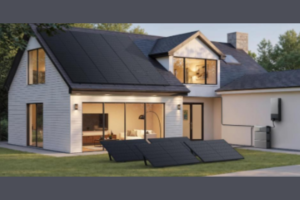
Energy resilience has become a practical concern as households balance comfort, costs, and reliability in daily life. Clean energy storage is no longer limited to off-grid cabins or experimental homes, as it now fits naturally into modern neighborhoods and typical routines. From keeping food fresh during outages to smoothing out monthly electricity bills, stored energy supports everyday needs without disruption. As solar power adoption grows, pairing it with storage helps households make better use of what they already generate. In this article, the reasons behind the rising interest in clean energy storage are explained through real-life benefits and practical considerations.
-
Reliable Backup During Outages
Keep lights and essentials running
Clean energy storage provides a dependable safety net when the grid goes down unexpectedly. Lights, routers, and basic outlets can remain powered, helping households maintain a sense of normalcy. This continuity is especially valuable during evening outages when visibility and communication matter most. Quiet operation allows families to sleep or work without the noise associated with traditional backup options. Over time, this reliability turns emergency preparedness into a routine advantage rather than a stressful event.
Power critical devices like refrigerators and medical equipment
Refrigerators and medical devices are often the first concerns during power interruptions. Energy storage systems can supply steady electricity to these critical loads without manual intervention. Food safety is preserved, medications remain properly stored, and essential health equipment continues operating. This reliability reduces the need to relocate or rely on temporary solutions. For many households, uninterrupted power brings peace of mind that extends beyond convenience.
-
Save Money on Electricity
Use stored solar energy when rates are high
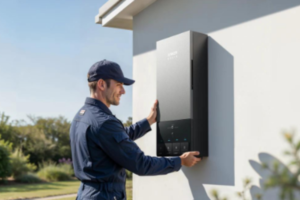
Electricity pricing often changes throughout the day, making timing an important factor in household energy costs. By storing excess daytime solar production in a solar battery, homes can rely on that energy during peak-rate hours. Systems designed for whole-home support can switch quickly and handle large loads, which is why some households consider options like the Anker SOLIX E10, capable of covering full circuits up to 200A with rapid response and scalable capacity. High-output capability, reaching tens of kilowatts when needed, allows daily activities such as cooking or cooling to continue without drawing expensive grid power. This approach turns solar generation into a practical tool for cost control rather than a passive feature.
Reduce dependence on the grid
Stored energy reduces how often households need to pull electricity from the grid. During high-demand periods, reliance on stored power can smooth out consumption patterns. This flexibility helps stabilize monthly bills and reduces exposure to rate fluctuations. Over time, consistent use of stored energy can lead to noticeable savings. Many households view this independence as a financial buffer rather than a short-term strategy.
-
Support a Greener Lifestyle
Lower household carbon emissions
Clean energy storage supports environmental goals by maximizing the use of renewable generation. When solar energy is stored instead of wasted, fewer fossil-fuel-based resources are needed later. This reduction directly lowers household carbon footprints without requiring lifestyle sacrifices. Everyday activities continue as usual, powered by cleaner energy sources. Over the long term, these small changes add up to meaningful environmental impact.
Use more renewable energy daily
Without storage, solar power is often limited to daylight hours. Energy storage extends the usefulness of renewable generation into evenings and cloudy periods. Homes can rely on stored energy for cooking, entertainment, and climate control after sunset. This consistent use strengthens the value of solar installations. Daily routines become more closely aligned with renewable energy availability.
-
Benefit from Incentives
Access tax credits and rebates
Many regions encourage clean energy adoption through financial incentives. Energy storage systems paired with solar installations may qualify for credits or rebates that lower upfront costs. These incentives make advanced technology more accessible to average households. Understanding eligibility requirements helps maximize available benefits. Over time, incentives accelerate the return on investment for clean energy systems.
Increase long-term home value
Homes equipped with modern energy solutions often attract more interest in the real estate market. Energy storage signals resilience, efficiency, and forward-looking design. Buyers increasingly value features that reduce utility costs and enhance reliability. As a result, energy storage can contribute to long-term property value. This added appeal extends beyond immediate energy savings.
-
Prepare for the Future
Integrate with electric vehicles
As electric vehicles become more common, they are evolving beyond transportation to serve as part of a home’s energy ecosystem. Energy storage systems can charge EVs during off-peak hours or provide backup power during outages. This integration eases grid strain and adds flexibility to home charging. Planning for compatibility today prepares households for the ongoing shift in how we power both our homes and our vehicles.
Automate home energy management
Modern energy storage systems increasingly support automated energy control. Smart management allows homes to prioritize loads, schedule usage, and respond to changing conditions automatically. This automation reduces manual decision-making and improves efficiency. As technology advances, energy systems become easier to manage rather than more complex. Households benefit from a seamless balance between comfort and efficiency.
Conclusion
Clean energy storage addresses practical needs that extend well beyond emergency backup. By supporting reliable power, lowering electricity costs, and encouraging greater use of solar power, storage systems fit naturally into everyday life. Financial incentives and future-ready features further strengthen their appeal. As energy demands evolve, storage offers flexibility and resilience without compromising comfort. For many households, clean energy storage represents a thoughtful step toward a more stable and sustainable home.
Don’t miss out on any news—keep in touch for real-time information, visit: Gessolini.org