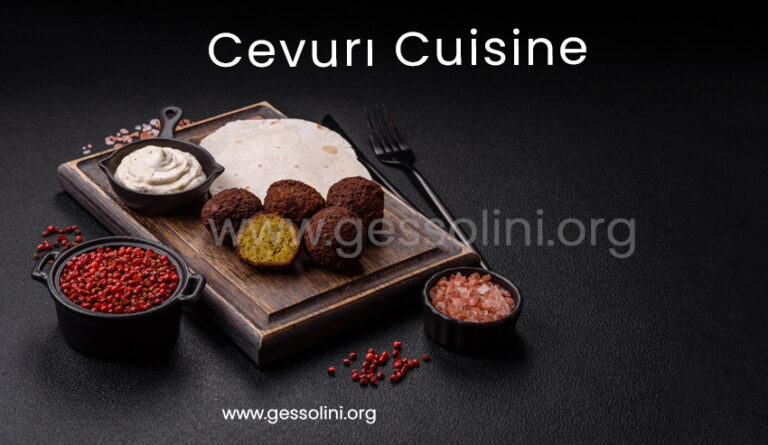
Cevurı is more than just a dish; it is a journey into the rich culinary history of Anatolia. Loved for its vibrant taste and comforting textures, cevurı brings together generations of Anatolian ingredients and the skill of local cooks. From family kitchens to modern restaurants, this dish continues to define Turkish culinary heritage, offering a unique window into Turkish food culture. With a perfect balance of spices, herbs, meat, and fresh vegetables, cevurı has earned a place at tables both in Turkey and around the world.
Introduction to Cevurı
At its essence, cevurı represents a harmonious blend of tradition, flavor, and storytelling. Anatolian cooks combine tender meat, fresh vegetables, and aromatic spices and herbs to create cevurı, a flavorful recipe passed down through generations. They often serve this dish during family gatherings, festive celebrations, or quiet meals, highlighting its cultural role in bringing people together.
Unlike many dishes that change drastically over time, cevurı preserves its soul through traditional preparation, while also allowing modern cooks to explore creative adaptations. The combination of taste, texture, and history makes it a dish that is as meaningful as it is delicious.
The History of Cevurı
The story of cevurı traditional Anatolian cuisine begins in the rural landscapes of Anatolia, where local communities relied on accessible, fresh ingredients to create nourishing meals. For generations, Anatolian cooks crafted cevurı using fresh local ingredients like lamb, beef, chickpeas, lentils, onions, peppers, and whole wheat flour. They carefully refined each recipe, mixing native herbs with exotic spices brought through ancient trade routes to create rich, unforgettable flavors.
The dish became a staple in homes across Anatolia due to its simplicity, versatility, and ability to feed large gatherings. Over time, cevurı evolved to include regional variations, reflecting the diverse climates, agricultural practices, and cultural influences of Turkey. From the Aegean coast to the Black Sea, local touches shaped the taste and presentation, adding layers of uniqueness while maintaining the integrity of Turkish culinary heritage.
Cultural Significance of Cevurı
Beyond its flavor, cevurı carries profound cultural significance. It is more than sustenance; it is a symbol of community, hospitality, and continuity. Families often gather around a single table to enjoy the dish, passing down not just the food but stories, values, and traditions. This aspect highlights why Turkish food culture is renowned for its communal and celebratory nature.
In addition, cevurı traditional Anatolian cuisine is frequently featured in festivals and ceremonies, underscoring its importance in local and national identity. The dish embodies the essence of Anatolia’s culinary history, merging authentic flavors with meaningful traditions that bring people together.
The careful preparation of cevurı, from marinating meat to layering vegetables and herbs, demonstrates the mastery inherent in culinary traditions. Each bite offers a taste of history and a connection to the land, making it a living representation of the region’s heritage.
Cevurı Ingredients: Building the Heart of an Anatolian Dish
A perfect cevurı traditional Anatolian cuisine begins with the finest Anatolian ingredients. The foundation of this Anatolian dish relies on high-quality meats, fresh vegetables, grains, and a carefully curated mix of spices and herbs. These ingredients not only provide a rich taste but also deliver nutritional value, making cevurı a wholesome choice for any meal.
Meat and Protein Base
Traditionally, cevurı is made with lamb or beef, prized for its tenderness and ability to absorb spices and herbs during marination. These proteins are the cornerstone of the flavorful recipe, providing depth and richness to the dish. In some regions, poultry or even seafood is used to create local regional variations, reflecting the abundance and preferences of that area.
Vegetables and Aromatics
Fresh vegetables such as tomatoes, bell peppers, onions, and eggplants play a crucial role in balancing the dish. These ingredients add sweetness, texture, and color, enhancing both visual appeal and taste. Many cooks incorporate aromatic herbs such as parsley, dill, and mint, following traditional preparation techniques that emphasize the use of layered flavors and freshness.
Grains and Binders
A key component of cevurı traditional Anatolian cuisine is the use of whole wheat flour and sometimes bulgur. These grains not only provide structure to the dish but also enrich it with fiber and essential nutrients. Combined with legumes such as chickpeas or lentils, they create a hearty, satisfying meal that reflects the healthy ingredients found in Anatolian kitchens.
Spices and Flavor Enhancers
The magic of cevurı lies in the blend of spices and herbs. Cumin, paprika, black pepper, coriander, and turmeric are commonly used to add warmth, aroma, and depth. These spices, when paired with olive oil, not only elevate the taste but also contribute to overall wellness, making the dish both flavorful and nutritious.
Traditional Preparation of Cevurı
Preparing cevurı traditional Anatolian cuisine is an art that respects culinary traditions while allowing room for creativity. The process begins with selecting high-quality Anatolian ingredients and preparing the meat and vegetables with care.
-
Marination: The meat is marinated in a mixture of olive oil, garlic, and selected spices and herbs, allowing flavors to penetrate deeply.
-
Vegetable Prep: Fresh vegetables are chopped finely to ensure even cooking and to maintain the vibrant colors typical of the dish.
-
Cooking Method: Traditional cooking methods often use open flames or clay pots, infusing cevurı with a subtle smoky flavor. This stage reflects the traditional preparation techniques that have been passed down through generations.
-
Assembly: Once cooked, the meat and vegetables are layered or combined according to the flavorful recipe, and garnished with herbs, nuts, or yogurt, depending on the regional style.
Cooks are highly encouraged to prepare cevurı at home, as it lets them adjust spices and ingredients to their personal taste while preserving the essence of Turkish culinary heritage.
Regional Variations of Cevurı
One of the most exciting aspects of cevurı is its versatility across different regions of Turkey. Regional variations reflect local produce, climate, and culinary traditions, giving each version a distinct identity.
Black Sea Region
In the northern regions, cevurı is often enhanced with herbs like dill or fresh mint. These additions create a refreshing contrast to the richness of the meat and highlight the importance of authentic flavors in the local culinary traditions.
Southeastern Anatolia
Here, cevurı is spicier and richer, incorporating hot peppers, garlic, and regional nuts. The robust flavor profile mirrors the bold tastes preferred in these areas, emphasizing how traditional preparation adapts to regional variations.
Aegean and Mediterranean Coasts
Closer to the coast, lighter versions of cevurı appear, sometimes featuring seafood, yogurt-based sauces, or citrus zest. These adaptations showcase modern twists while retaining the roots of Anatolian ingredients.
Central Anatolia
Central regions focus on heartier meals, integrating legumes, bulgur, and grains alongside meats. These versions are reflective of the healthy ingredients used historically to sustain families through colder months.
Serving Cevurı at Home and in Restaurants
Whether experienced in a traditional home kitchen or at a local eatery, cevurı traditional Anatolian cuisine is always presented with care. Home cooking allows for flexibility in ingredients and portion sizes, while restaurants often highlight authentic Turkish dishes with careful attention to presentation.
Serving cevurı with sides like rice, bread, or yogurt helps balance flavors and creates a fulfilling meal. The inclusion of spices and herbs ensures each bite embodies Turkish culinary heritage and honors the cultural significance of the dish.
Modern Twists on Cevurı: Fusion Variations for Today’s Palate
While cevurı traditional Anatolian cuisine is deeply rooted in history, contemporary chefs and home cooks alike are introducing modern twists and fusion variations to make the dish more versatile and globally appealing.
Some popular innovations include:
-
Vegetarian versions: Roasted vegetables, legumes, and plant-based proteins are combined to honor healthy ingredients while keeping the essence of cevurı intact.
-
Quinoa or bulgur bowls: Modern cooks replace traditional grains with quinoa or brown rice, offering high-protein alternatives and diverse textures.
-
International flavor fusions: Ingredients like avocado salsa, spiced yogurt sauces, or even sushi-inspired rolls highlight fusion variations while retaining authentic flavors.
These adaptations demonstrate how cevurı continues to evolve, making it accessible to a broader audience while respecting culinary traditions.
Health Benefits and Nutritional Value
Cevurı is not only a feast for the senses but also a wholesome choice for nutrition-conscious individuals. The combination of whole wheat flour, fresh vegetables, spices and herbs, and quality meats provides a balanced mix of protein, fiber, and essential vitamins.
Key Nutritional Benefits:
-
High protein content: The meat and legumes help maintain energy levels and muscle health.
-
Rich in vitamins and antioxidants: Fresh vegetables like tomatoes, peppers, and onions support immunity and overall wellness.
-
Heart-healthy fats: Olive oil benefits contribute to reduced cholesterol and cardiovascular support.
-
Digestive health: Incorporating whole wheat flour and legumes ensures fiber intake, aiding digestion.
-
Anti-inflammatory properties: Herbs like parsley, dill, and mint enhance flavor while offering antioxidants.
Through these healthy ingredients, cevurı bridges the gap between tradition and modern nutritional awareness, making it ideal for today’s balanced diets.
Cevurı’s Global Popularity
Cevurı traditional Anatolian cuisine has gained global popularity due to its unique combination of authentic flavors, nutritional benefits, and adaptability.
-
International restaurants in cities like New York, London, Berlin, and Dubai showcase cevurı, often with modern twists that appeal to global tastes.
-
Food festivals and ethnic markets highlight the dish as a symbol of Turkish culinary heritage, introducing it to new audiences.
-
Online home cooking tutorials and meal kits allow enthusiasts worldwide to recreate cevurı in their own kitchens, blending tradition with convenience.
The cultural significance and versatility of cevurı make it more than just a meal—it is a culinary ambassador for Turkey, representing the heart of Anatolian tradition on a global stage.
How to Enjoy Cevurı at Home
For those who want to bring cevurı traditional Anatolian cuisine into their homes, home cooking is the best way to capture its essence. Here’s a step-by-step guide to a flavorful recipe:
-
Select high-quality ingredients: Meat, fresh vegetables, legumes, spices and herbs are essential.
-
Prepare grains and vegetables: Soak legumes overnight, chop vegetables finely, and combine with whole wheat flour if needed.
-
Marinate proteins: Infuse the meat with herbs, olive oil, and spices to maximize flavor.
-
Cook carefully: Use frying, grilling, or oven baking to achieve tender meat and perfectly cooked vegetables.
-
Serve thoughtfully: Pair with rice, bread, or yogurt for a balanced meal, adding garnishes like mint, parsley, or lemon juice to enhance freshness.
Cooking cevurı at home is a celebration of Turkish food culture, offering both nourishment and an opportunity to connect with culinary traditions.
Conclusion: Cevurı as a Culinary Legacy
In summary, cevurı is far more than a simple dish—it is a representation of Turkish culinary heritage, cultural significance, and the creativity of Anatolian ingredients. From its roots in rustic kitchens to its presence in modern fusion cuisine, cevurı embodies authentic flavors, rich traditions, and healthy ingredients that appeal to all generations.
Whether enjoyed in a family gathering, a local restaurant, or a bustling international city, cevurı traditional Anatolian cuisine continues to bring people together. Its regional variations, modern twists, and global recognition highlight its versatility, while traditional preparation ensures that the essence of Anatolia remains in every bite.
By exploring cevurı, food lovers experience more than a meal—they engage with Turkish food culture, partake in a centuries-old legacy, and celebrate a dish that connects history, flavor, and innovation in one unforgettable experience.
Stay informed and up-to-date by staying in touch with us regularly. Gessolini!