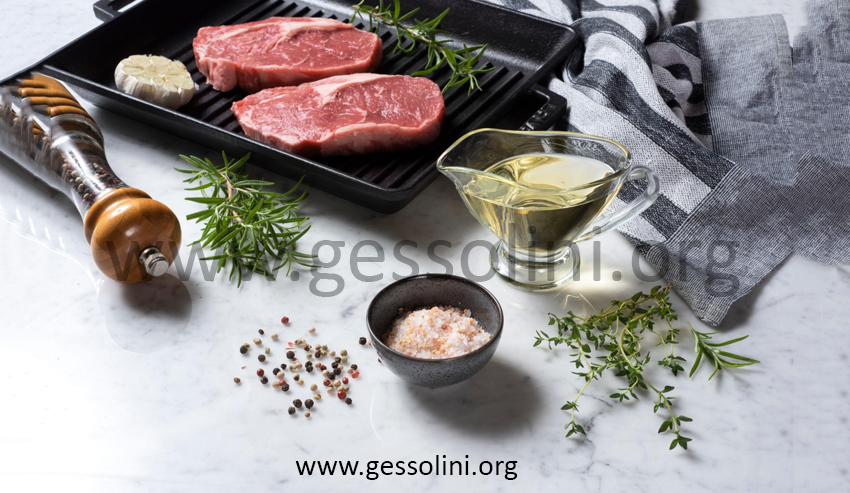
Levapioli is a traditional meat dish with Italian and Balkan roots, known for its rich flavor, simple ingredients, and cultural importance. In very easy words, levapioli is a seasoned meat preparation, usually made from minced meat, shaped by hand, and cooked using traditional methods such as grilling or pan-frying. It is loved for its juicy texture, warm spices, and comforting taste that feels both homemade and festive.
This dish has been passed down through generations and is often linked with family gatherings, street food culture, and regional celebrations. Because it uses basic ingredients and straightforward cooking techniques, levapioli remains accessible to home cooks while still holding deep cultural value. Over time, it has adapted to different regions, taking on small variations while keeping its core identity intact.
Today, levapioli is gaining renewed interest as people explore traditional foods with authentic roots. This article explains where levapioli comes from, how it is prepared, how it is enjoyed in different regions, and why it continues to be a meaningful dish in modern kitchens.
The Cultural Roots of Traditional Meat Dishes
Traditional meat dishes often reflect the history, climate, and lifestyle of a region. Communities developed recipes based on available ingredients, preservation needs, and social customs. These dishes were not just meals but symbols of togetherness.
In many European regions, minced meat dishes became popular because they were affordable and easy to share. Families could stretch ingredients while still creating satisfying meals. Over time, seasoning styles evolved, influenced by trade routes and neighboring cultures.
Levapioli fits perfectly into this tradition. Its preparation reflects a balance between practicality and flavor, making it a dish that survived changing times.
Regional Influences on Levapioli
Levapioli shows strong regional influence, especially from Italian and Balkan culinary traditions. Each region added its own touch, whether through spices, meat blends, or cooking methods.
In Balkan areas, the dish often carries bolder seasoning and smoky notes. Italian-inspired versions may focus more on herbs and balanced flavors. These differences highlight how one dish can reflect multiple cultural identities.
Despite variations, the heart of levapioli remains the same: simple meat, careful seasoning, and communal enjoyment.
Core Ingredients and Their Role
The ingredients used in levapioli are simple, yet each plays an important role. Minced meat forms the base, usually beef, lamb, or a mix. Salt enhances natural flavors, while spices add warmth.
Onions are commonly included to provide moisture and sweetness. Sometimes herbs are added for aroma. The balance of ingredients ensures the meat stays juicy and flavorful during cooking.
Because the ingredient list is short, quality matters. Fresh meat and well-measured seasoning make a noticeable difference in taste.
Traditional Preparation Techniques
Preparing levapioli traditionally involves hand-mixing the ingredients. This method allows better control over texture and seasoning distribution. The mixture is shaped gently to avoid compacting the meat too tightly.
Cooking is usually done over moderate heat. Grilling adds a smoky flavor, while pan-frying creates a crisp outer layer. Both methods aim to keep the inside tender.
Patience during cooking is key. Rushing can dry out the meat, while steady heat ensures even cooking.
Levapioli in Home Cooking Traditions
Levapioli holds a special place in home cooking. Many families associate it with shared meals and familiar flavors. Recipes are often inherited rather than written, passed down through experience.
Cooking this dish at home encourages togetherness. Family members may help shape the meat or prepare side dishes. This involvement strengthens emotional connections to the food.
Even today, home-cooked levapioli remains a symbol of comfort and tradition.
Street Food and Social Eating
In many regions, meat dishes like levapioli became popular street foods. They are easy to cook in batches and serve quickly. Vendors often sell them with bread or simple sides.
Street food versions highlight the dish’s adaptability. It can be enjoyed casually while walking or shared during festivals. This accessibility helped spread its popularity.
Social eating plays a role too. People gather around food stalls, turning meals into social moments.
Cooking Methods and Flavor Development
Cooking methods greatly affect flavor. Grilling enhances smokiness, while pan-frying creates a richer surface taste. Some cooks prefer charcoal grilling for added depth.
Heat control is essential. Medium heat allows fat to render slowly, keeping the meat juicy. Turning too often can reduce browning, so patience pays off.
Flavor develops naturally through proper cooking, without needing heavy sauces.
Pairing Levapioli with Side Dishes
Levapioli pairs well with simple sides. Bread is common, helping absorb juices. Fresh salads add balance and freshness.
In some regions, roasted vegetables or potatoes accompany the dish. These sides complement the savory flavor without overpowering it.
Simple pairings keep the focus on the meat while creating a complete meal.
Nutritional Perspective and Moderation
Meat dishes provide protein and essential nutrients. However, moderation is important. Levapioli can be part of a balanced diet when paired with vegetables and whole foods.
Choosing lean meat and controlling portion size helps maintain nutritional balance. Cooking methods that use less oil also support healthier eating.
Understanding moderation allows enjoyment without guilt.
Modern Adaptations and Variations
Ingredient Variations
Some modern cooks experiment with different meats or plant-based alternatives. These versions aim to respect tradition while meeting dietary needs. Flavor balance remains the main goal.
Cooking Style Changes
Oven-baking and air-frying are newer methods. They reduce oil use while still achieving good texture. These approaches suit modern kitchens.
Serving Innovations
Levapioli is now served in wraps, bowls, or fusion dishes. These presentations appeal to younger audiences without losing authenticity.
Levapioli in Cultural Celebrations
Family Gatherings
Levapioli often appears during family events. Preparing it together strengthens bonds and honors tradition.
Festivals and Markets
Food festivals celebrate traditional dishes. Levapioli is showcased as a symbol of regional identity.
Seasonal Occasions
Certain seasons favor hearty meals. This dish fits well during cooler months when comfort foods are preferred.
Preserving Traditional Recipes
Oral Traditions
Many recipes survive through storytelling and practice. This keeps them alive across generations.
Community Knowledge
Local communities share techniques and tips. This collective knowledge preserves authenticity.
Modern Documentation
Today, recipes are written and shared online. This helps preserve tradition while reaching new audiences.
Why Traditional Dishes Still Matter
Traditional foods connect people to their roots. They tell stories of survival, creativity, and community. Levapioli represents more than a meal—it reflects shared history.
In a fast-paced world, such dishes offer grounding experiences. They remind people of simpler times and shared values.
Preserving these foods keeps cultural identity alive.
Final Thoughts on Levapioli
Levapioli stands as a meaningful example of how simple ingredients can create lasting traditions. Its Italian and Balkan roots show the beauty of cultural exchange and shared culinary history. Easy to prepare yet rich in flavor, this dish continues to bring people together across generations. Whether enjoyed at home, on the street, or during celebrations, levapioli remains a symbol of comfort and authenticity. By understanding its origins, preparation, and cultural role, we gain a deeper appreciation for traditional foods and the stories they carry.
Don’t miss out on any news—keep in touch for real-time information: Gessolini!